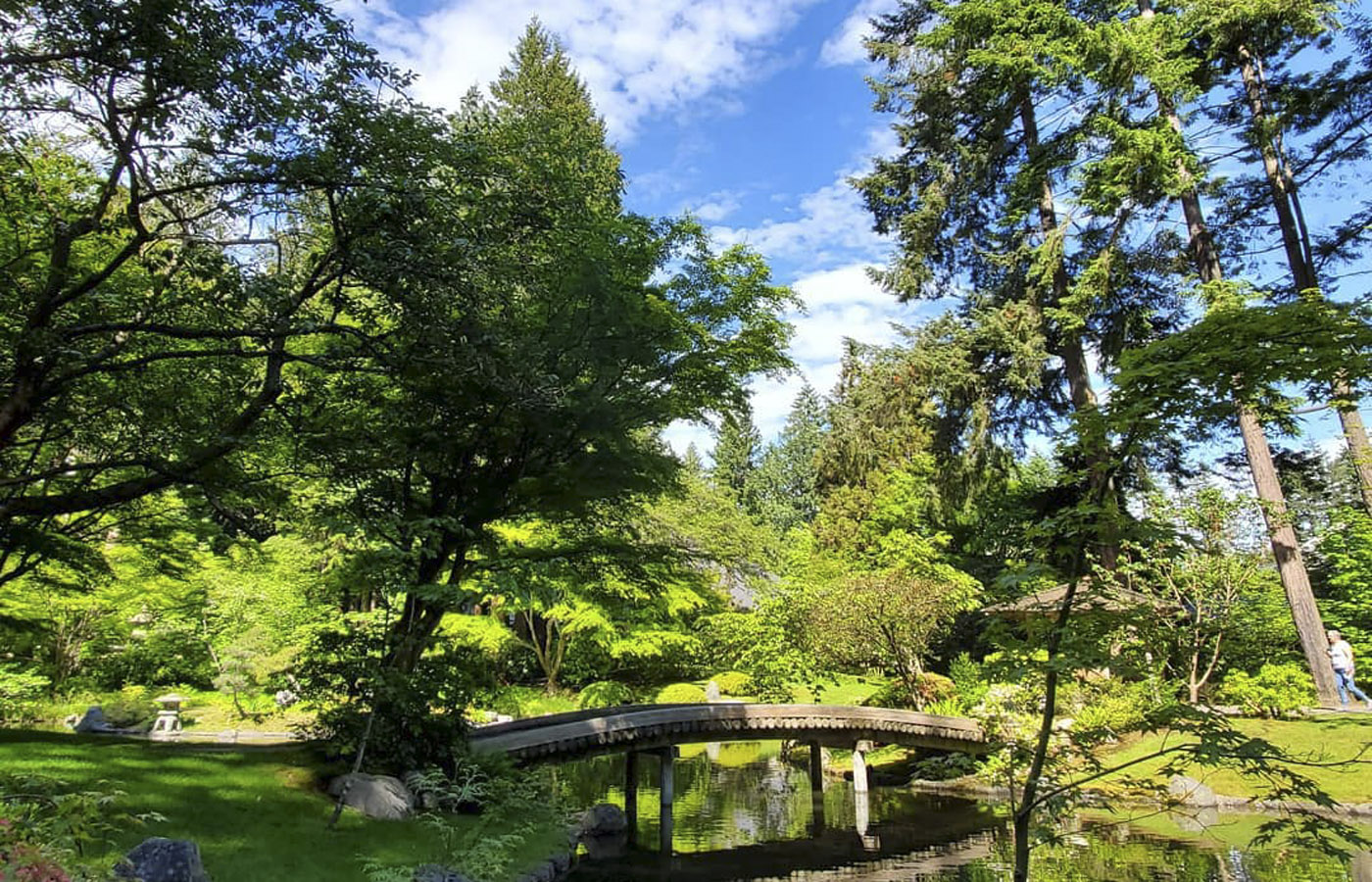
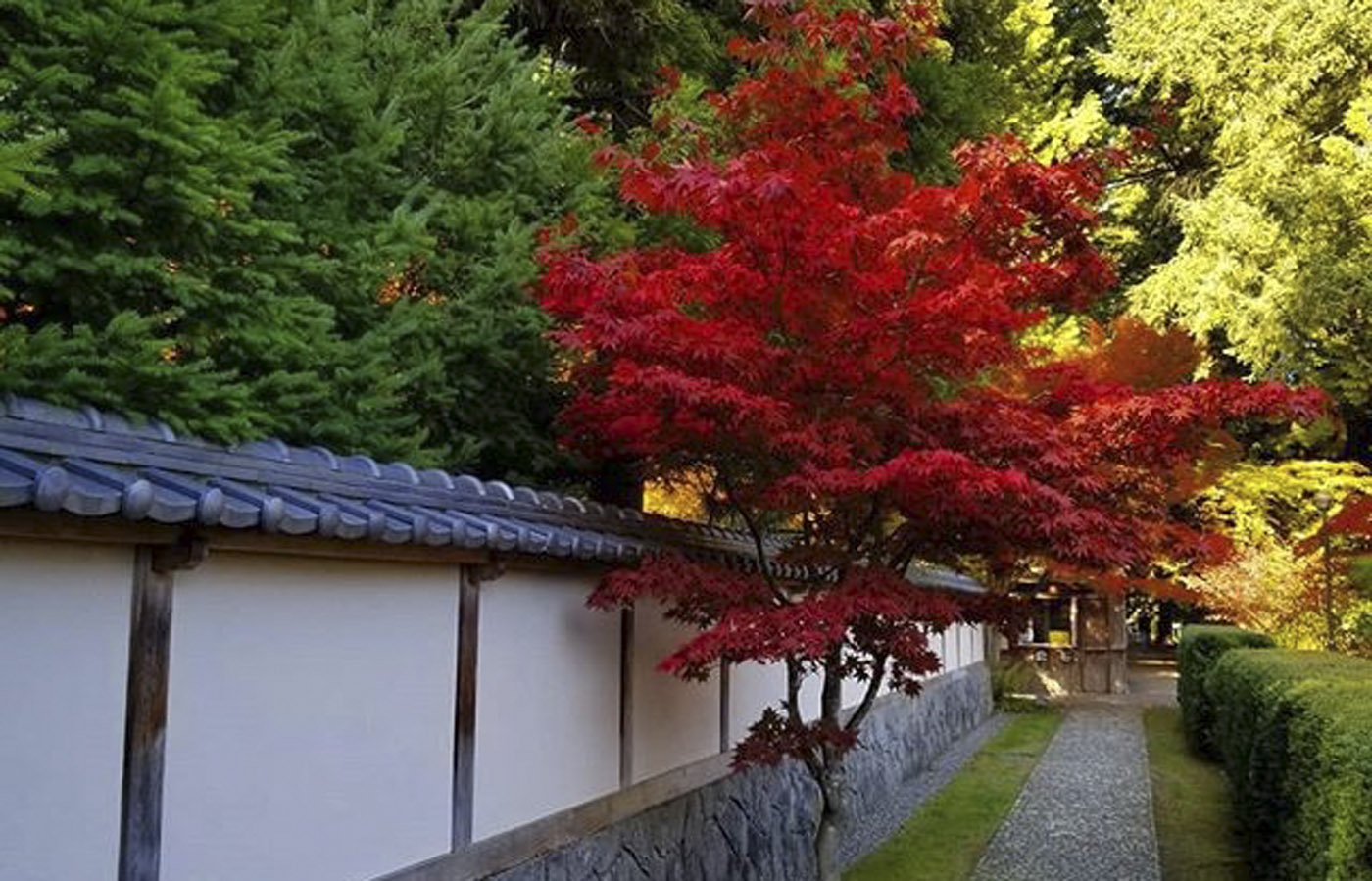
Nitobe Memorial Garden is a masterfully composed Japanese stroll and tea garden set within the University of British Columbia in Vancouver. Though it is part of the UBC Botanical Garden and Centre for Plant Research, it feels like a world apart—quiet, restrained, and intentionally designed to slow you down. With every curve of its paths and every framed view, the garden offers a calm retreat from campus energy while showcasing the discipline and elegance of classical Japanese landscape tradition.
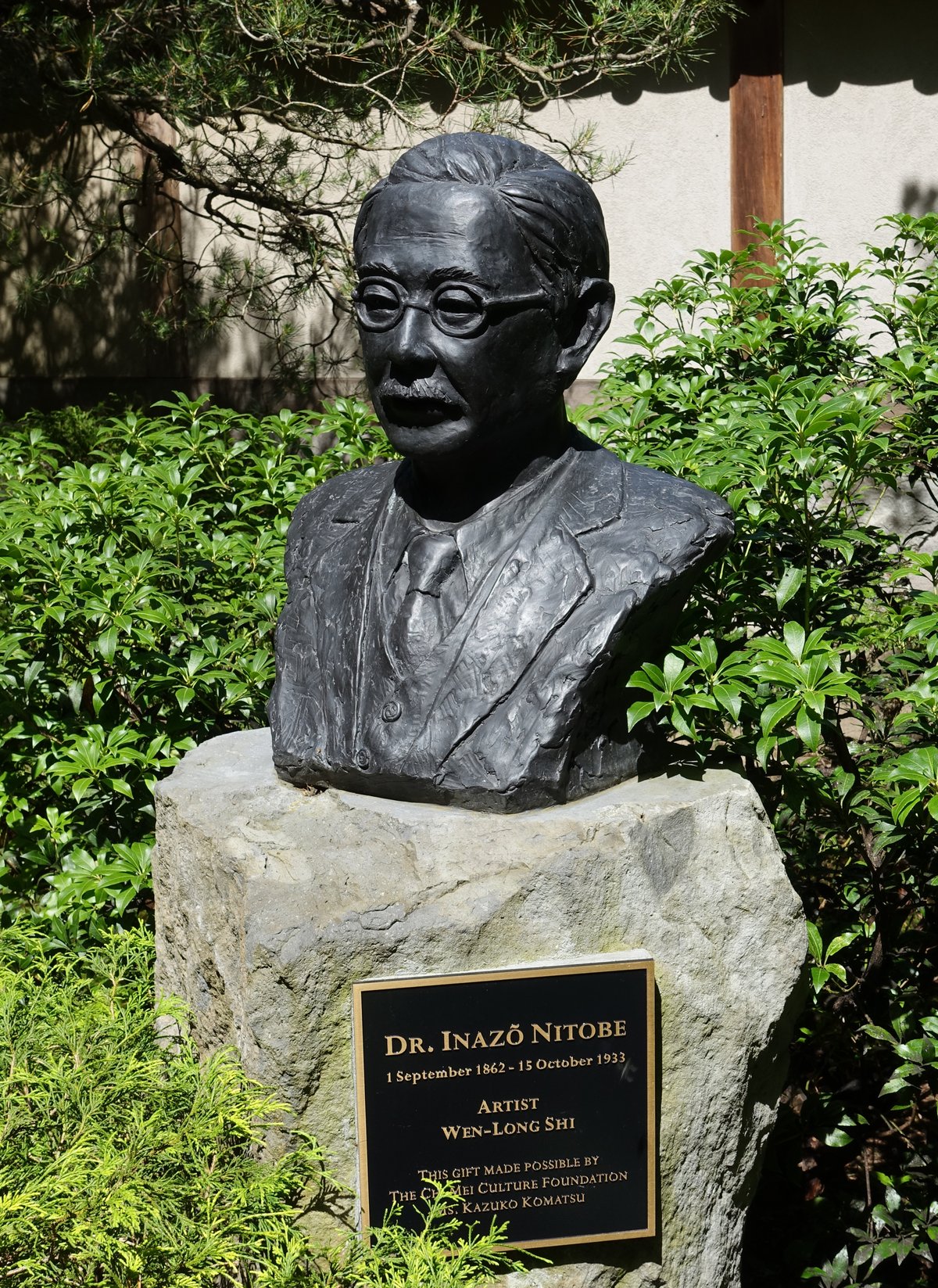
The garden was created as a living tribute to Inazō Nitobe (1862–1933), an educator, diplomat, author, and advocate for cross-cultural understanding whose life work emphasized dialogue between Japan and the wider world, including Canada. His legacy makes the garden more than a beautiful place to visit; it is also a symbolic space—one that expresses harmony, respect, and the possibility of connection across cultures through the universal language of nature.
Its origins are rooted in a longer and more complex campus history. A memorial lantern dedicated to Nitobe was installed at UBC after his death, but it was later damaged during the Second World War in a period marked by anti-Japanese sentiment in Canada. The garden that stands today emerged from renewed commitment in the postwar era—shaped through cooperation among the Japanese Canadian community, UBC, and supporters in Japan—reflecting both remembrance and reconciliation.
The garden’s design was led by Japanese landscape architect Kannosuke Mori, commissioned by the Government of Japan in the late 1950s. Mori’s approach was both artistic and meticulous: stones were selected and set with intention, plants were chosen for their seasonal character and long-term form, and the overall layout was crafted to reflect long-standing Japanese principles of balance, asymmetry, and controlled simplicity. Under his guidance, the garden took shape as a coherent work of landscape art rather than a collection of ornamental features.
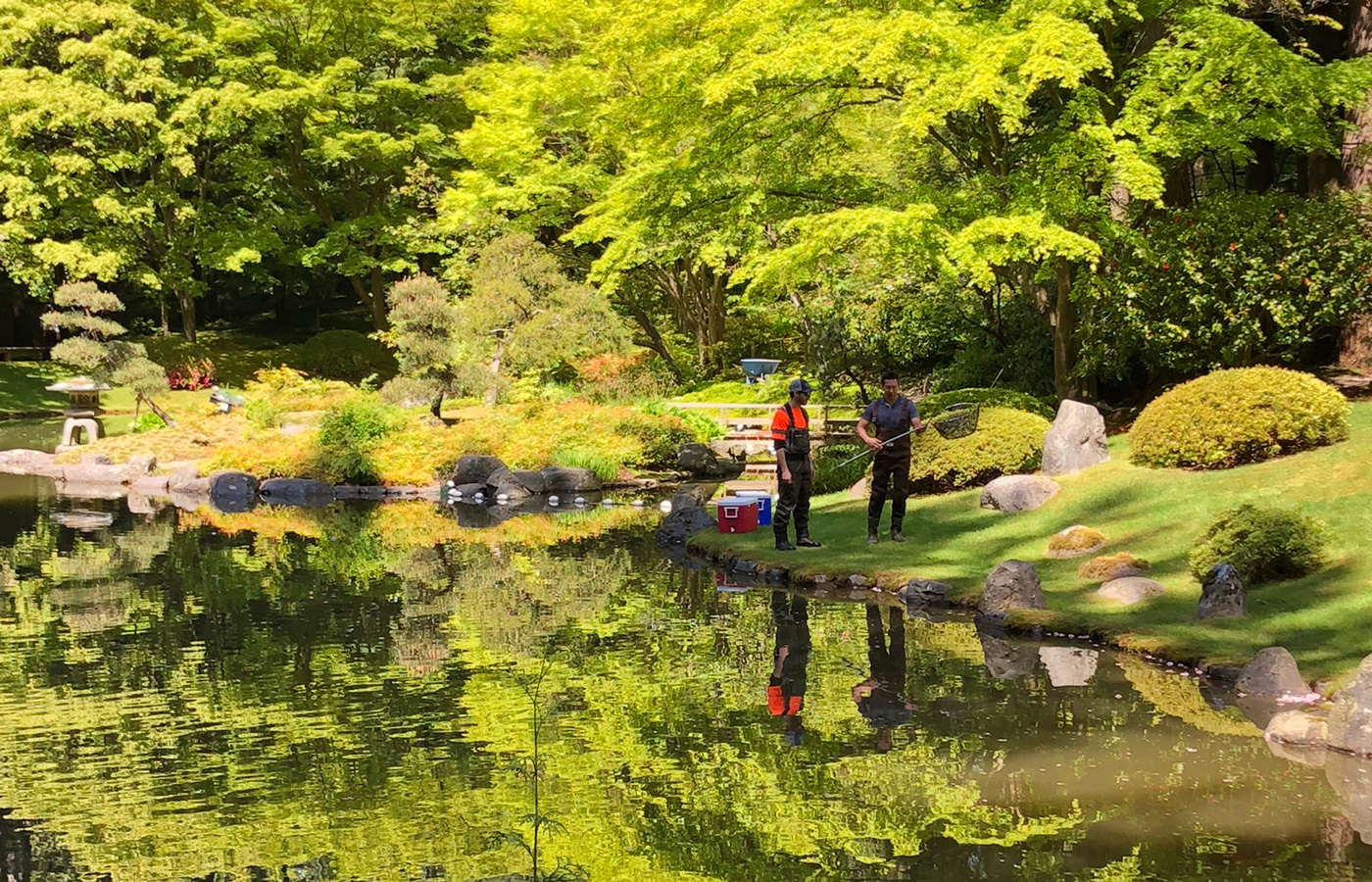
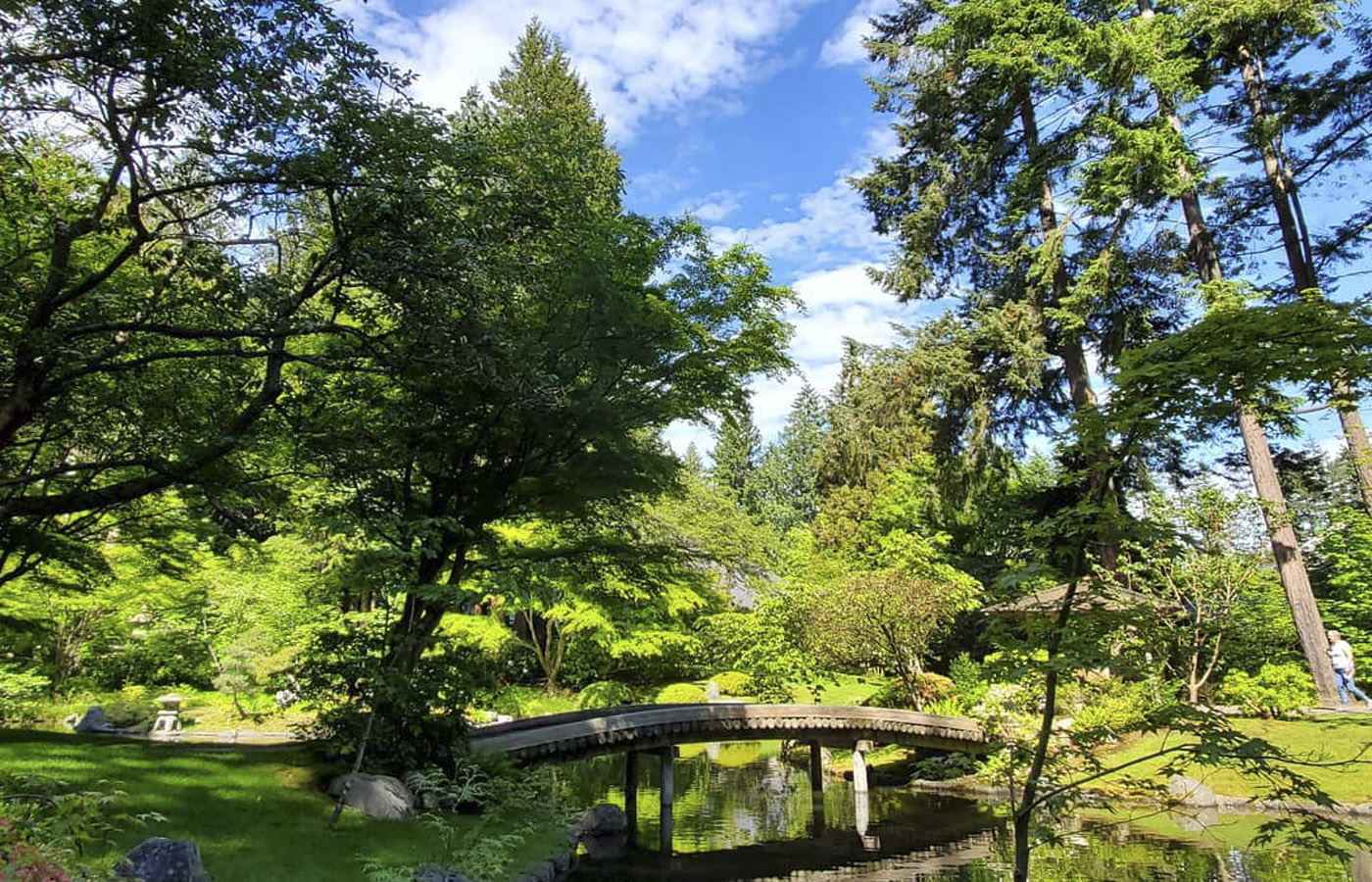
A visit to Nitobe Memorial Garden is designed as a gradual unfolding rather than a direct route to a destination. The paths are irregular by design, encouraging visitors to move slowly and notice subtleties: the texture of gravel underfoot, the shifting reflections on water, the way branches frame the sky, and the careful contrast between open views and sheltered corners. This sense of discovery is central to the garden’s purpose—inviting contemplation rather than spectacle.
Plants play a defining role in the garden’s mood and rhythm, with a thoughtful blend of Japanese species and vegetation suited to the Pacific Northwest. Across the seasons, the garden transforms: spring brings delicate blossoms and fresh greens, summer deepens into layered shade, and autumn arrives with brilliant maples and a more reflective atmosphere. These seasonal changes are not incidental—they are part of the garden’s storytelling, highlighting impermanence and renewal.
Among its most distinctive elements is the Ichibō-an tea house and its surrounding tea garden, or roji. In traditional Japanese aesthetics, the tea garden serves as a transitional space—an intentional passage from everyday life into a quieter state of mind. Features such as stepping stones and waiting areas are arranged with purpose, reinforcing the garden’s role as both a cultural site and a lived tradition rather than a purely visual attraction.
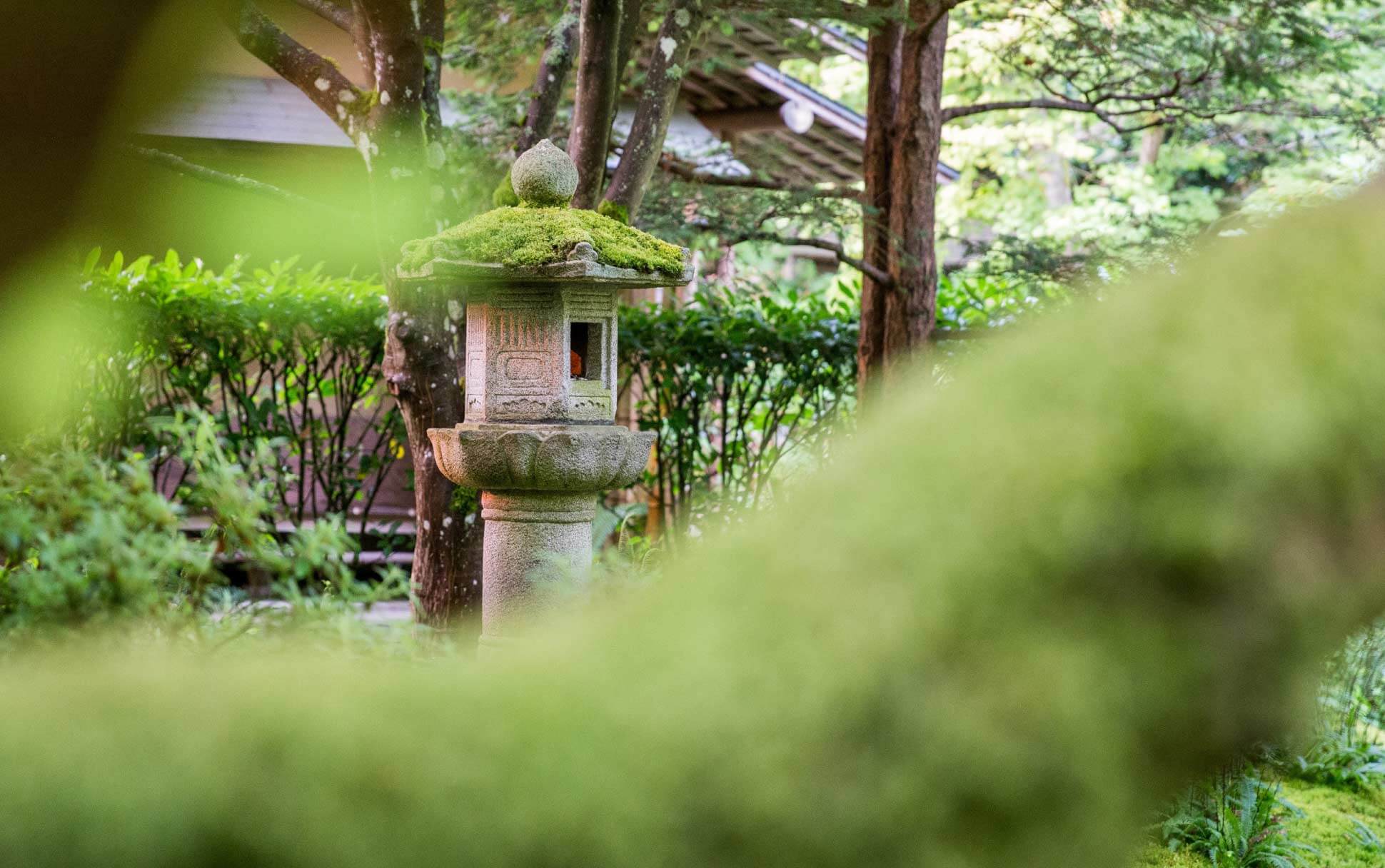
Stone lanterns and carefully positioned rocks appear throughout the landscape, offering visual anchors and symbolic depth. These elements are not placed for decoration alone; they are meant to guide the eye, shape movement, and quietly communicate meaning—light, orientation, endurance, and the passage of time. Part of the garden’s appeal is how it rewards attention: the longer you linger, the more you begin to see.
Nitobe Memorial Garden also carries significance as a community landmark and a place of shared heritage. It reflects contributions from generations of supporters and caretakers, including Japanese Canadians whose relationship to the site is shaped by memory, identity, and history. Ongoing efforts to recognize the garden’s broader cultural importance underscore that it stands not only as a destination for visitors, but also as a meaningful symbol in Canada’s landscape of remembrance.
Today, the garden draws people from around the world—students looking for a quiet break, locals seeking calm, and travelers hoping to experience a Japanese garden of rare authenticity outside Japan. Whether you come for a brief walk or an unhurried afternoon, Nitobe Memorial Garden offers something increasingly uncommon: a place designed for stillness. It is, in the fullest sense, a carefully crafted meeting point of nature, art, history, and cultural understanding.