1) The Stanford Dish: Where Landscape Meets Legacy
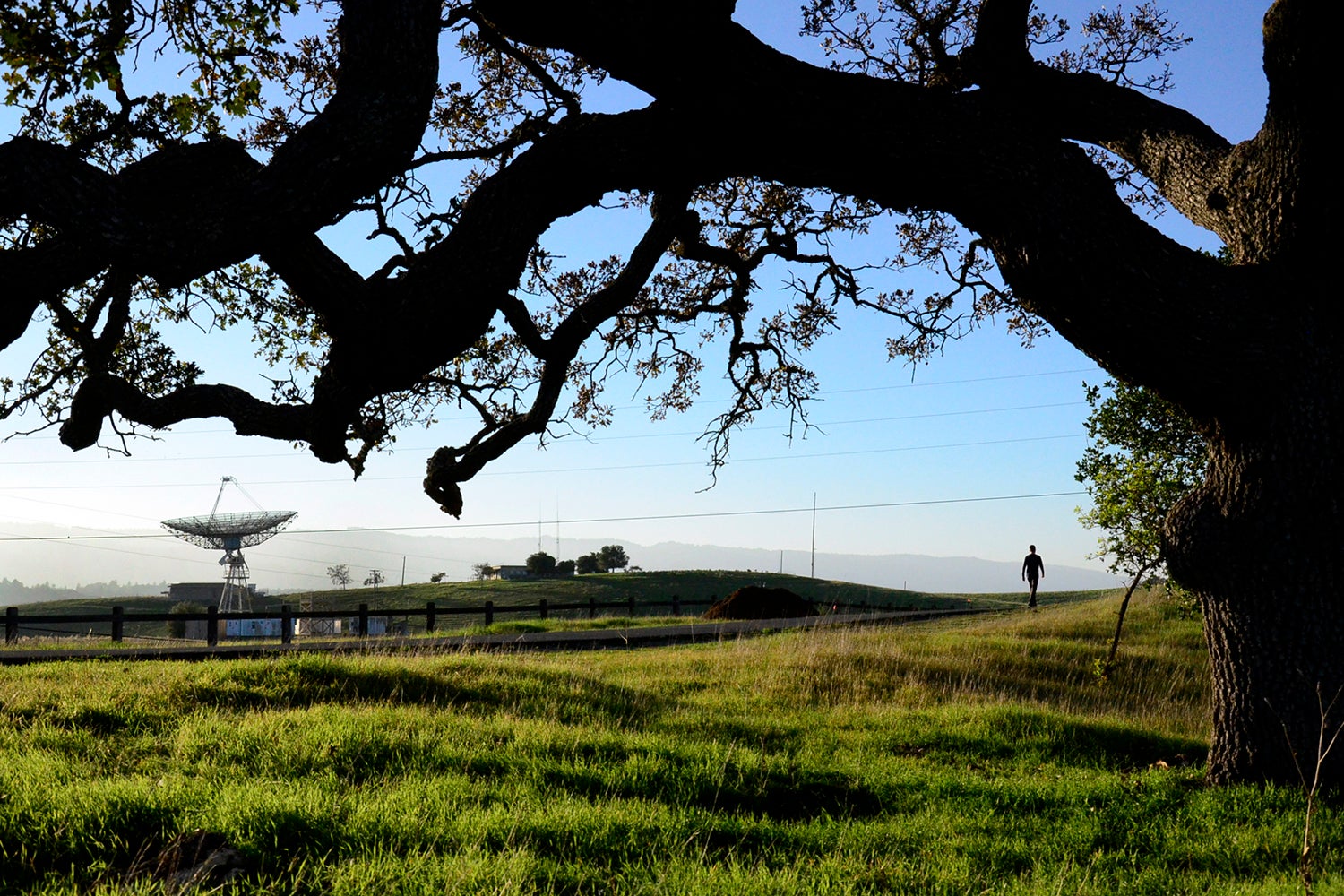

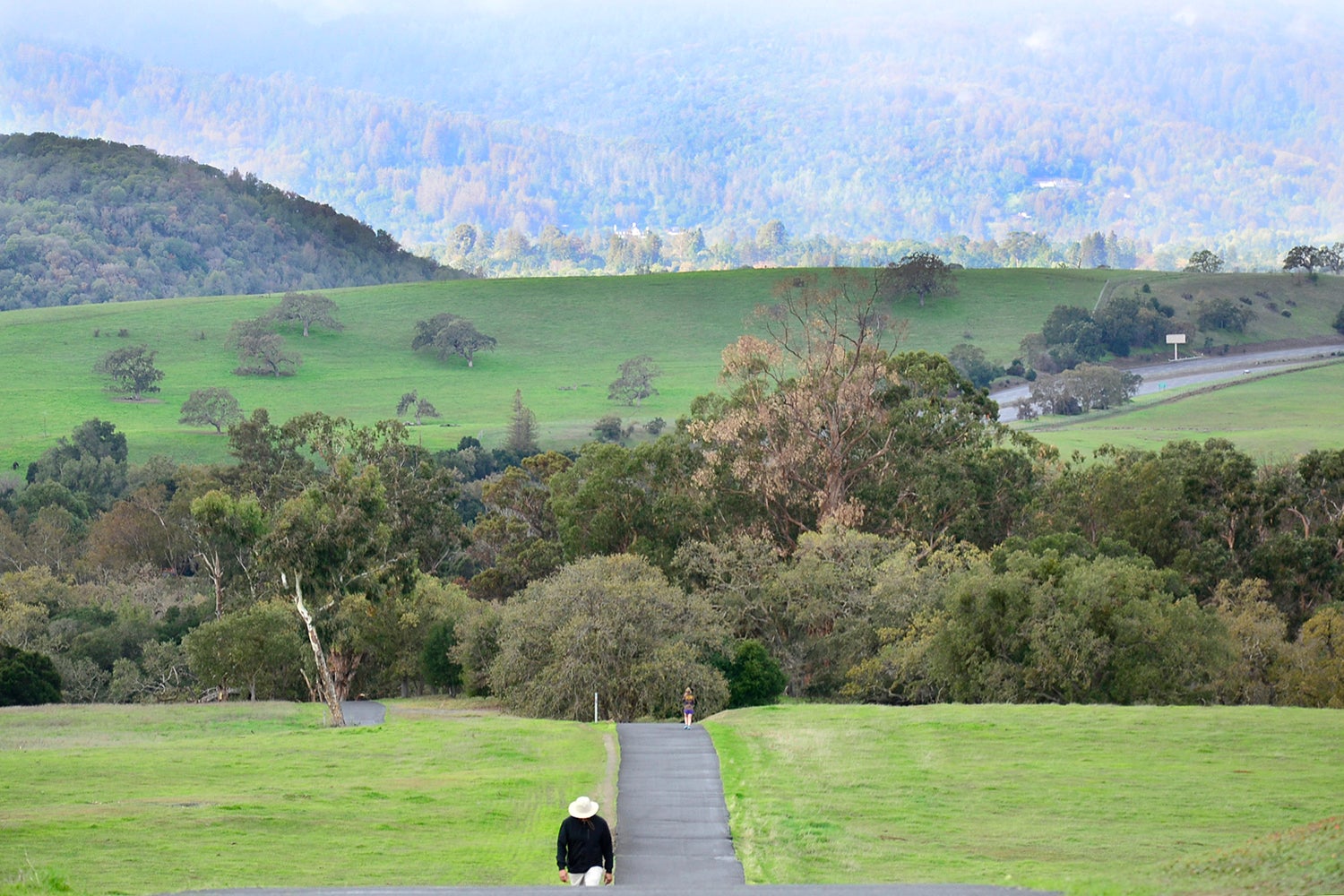
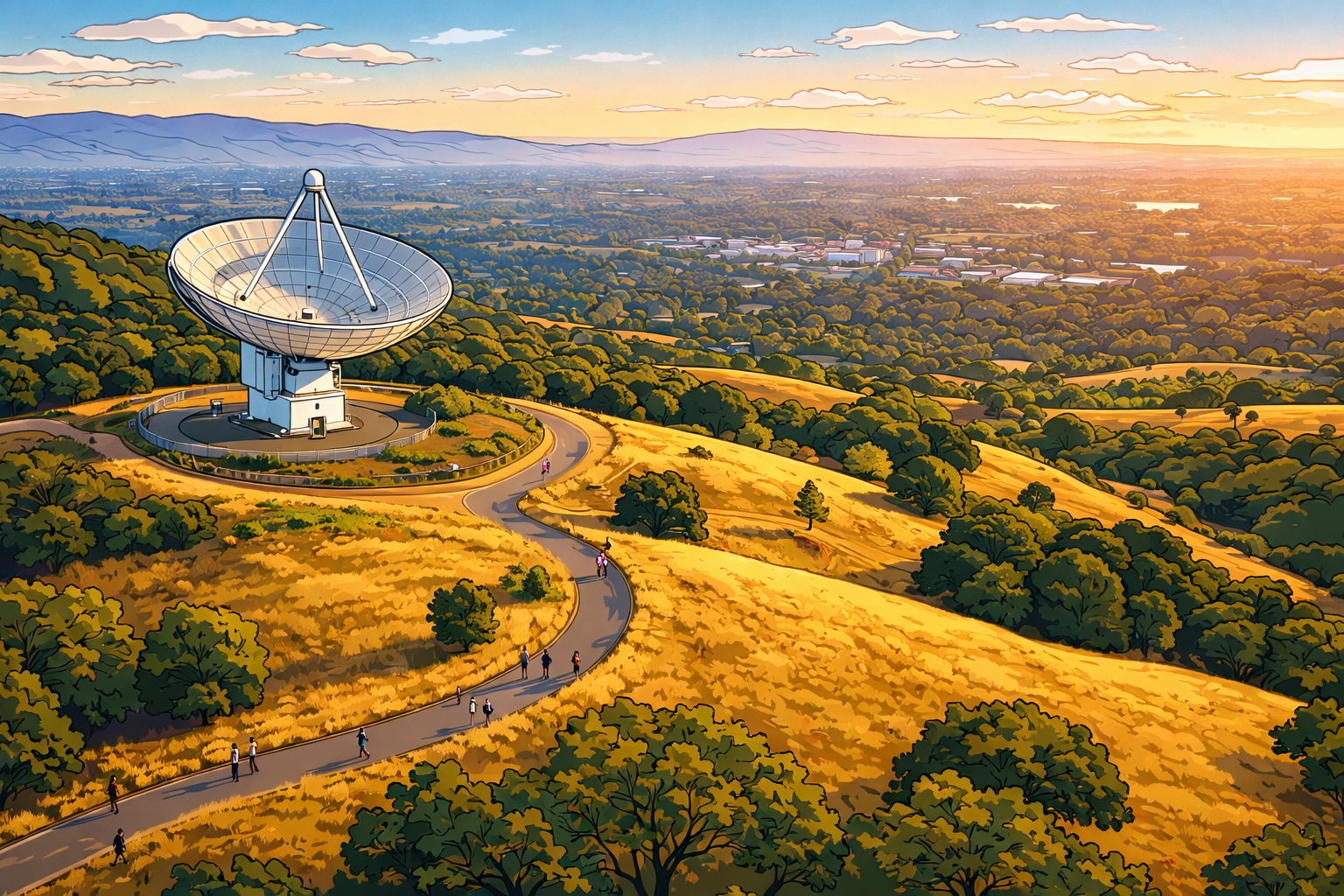
The Stanford Dish is one of the most recognizable landmarks in Stanford University. Perched in the foothills above campus, this expansive open space offers sweeping views of the university, the Santa Clara Valley, and on clear days, the distant hills of the Bay Area. More than a scenic lookout, the Dish represents the intersection of scientific innovation and community life.
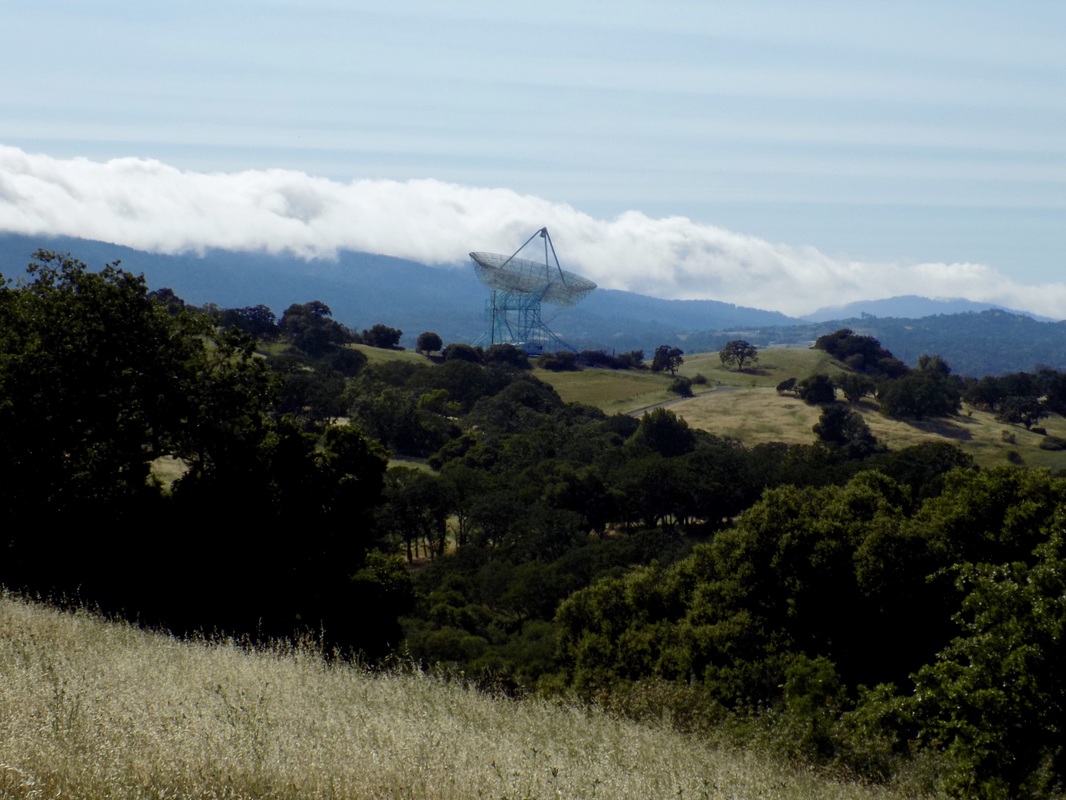
Originally constructed as a radio telescope, the large white structure quickly became an icon. While its research role has evolved over time, the presence of the dish remains a reminder of Stanford’s long-standing commitment to exploration and technological advancement. The surrounding land, known as the Stanford Dish Open Space Preserve, has since become one of the most beloved outdoor destinations for students, faculty, and residents.
The trail system, roughly 3.5 miles in its main loop, is popular for walking, jogging, and hiking. Its moderate elevation gains provide both a physical challenge and a rewarding panorama at every turn. Visitors often describe the experience as refreshing—a retreat from busy schedules into quiet, rolling hills.
Beyond recreation, the Dish embodies a sense of continuity. Generations of Stanford students have walked these paths, reflecting, celebrating milestones, or simply enjoying a sunset. It is both a physical landmark and a shared memory.
Today, the Stanford Dish stands not just as a scientific artifact, but as a symbol of balance—between innovation and nature, ambition and reflection.
2) A Hiker’s Sanctuary Above Campus


High above the academic buildings and bustling courtyards lies a sanctuary of open sky and golden grass. The Stanford Dish trail offers a quiet escape, where the rhythm of footsteps replaces the hum of lectures and campus traffic.
The terrain is defined by rolling hills and wide dirt paths. Though the loop may appear gentle at first glance, its inclines can test even experienced hikers. Yet each climb rewards visitors with expansive views that stretch across Silicon Valley and beyond.
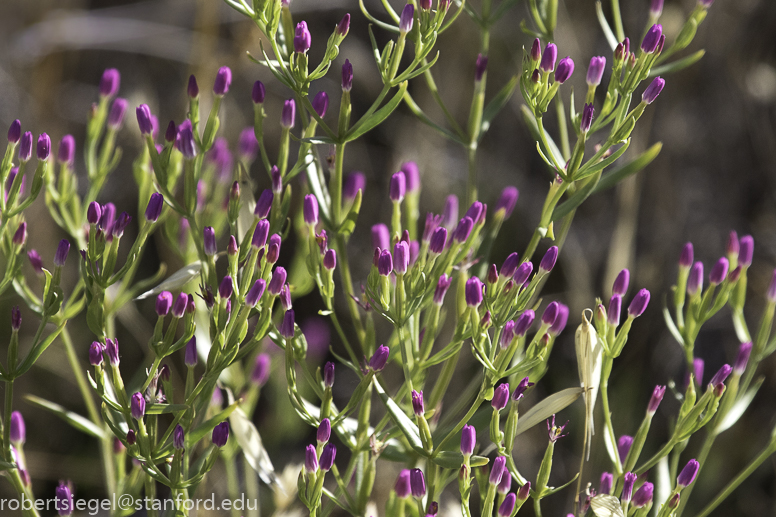
Seasonal changes bring new character to the landscape. In spring, wildflowers dot the hillsides with vibrant color. In summer, the grasses turn a warm golden hue, echoing the iconic California aesthetic. Autumn and winter provide cooler air and clearer visibility, making it an ideal time for longer walks.
The Dish trail is more than exercise—it is therapy. Students preparing for exams, researchers contemplating ideas, and community members seeking calm often find clarity along these paths.
In its simplicity, the Stanford Dish offers something profound: space to breathe, think, and reconnect.
3) Science on the Hillside
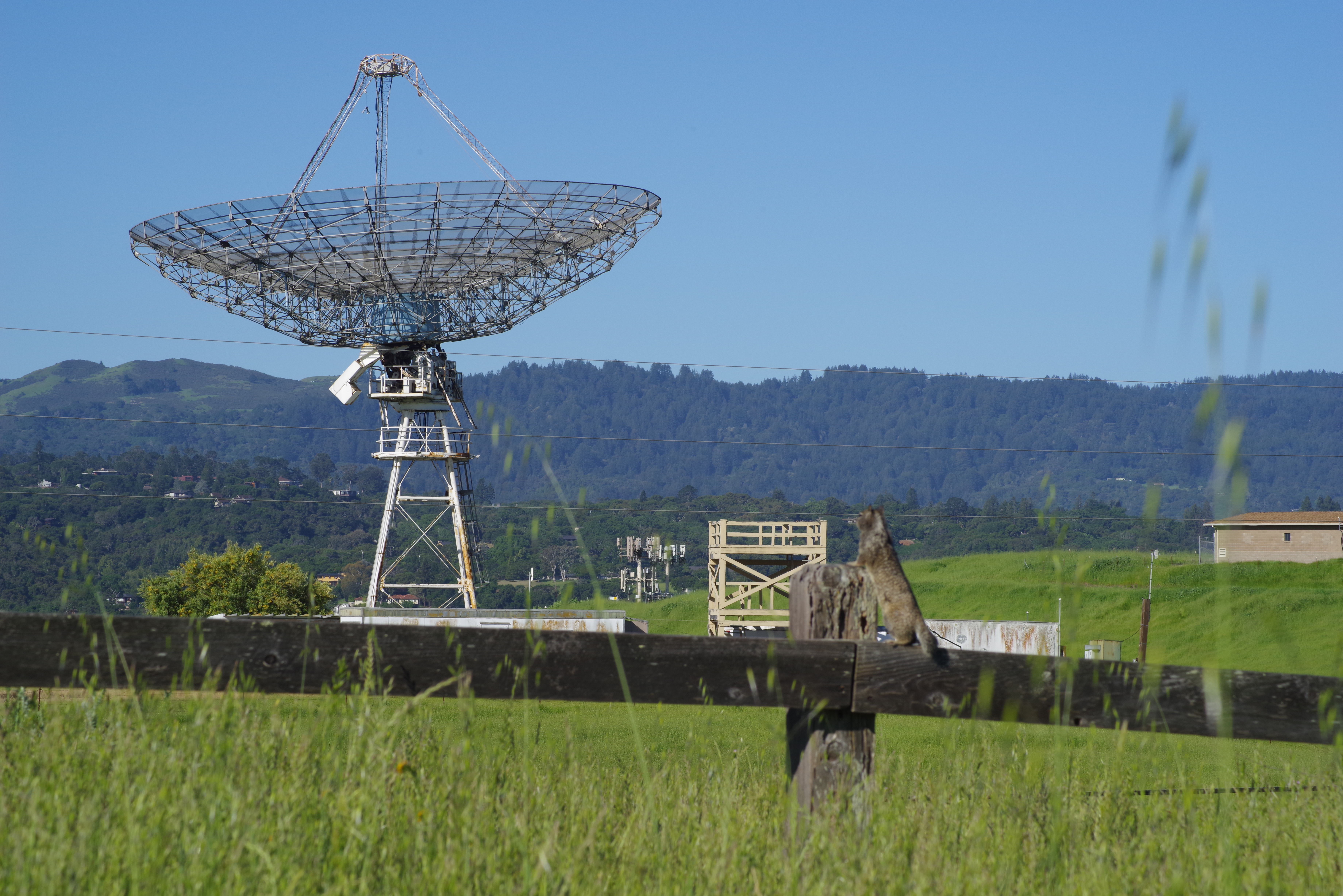




The large white structure that crowns the hills above Stanford is not merely decorative—it is a remnant of scientific ambition. Built in 1966, the Stanford Dish was originally designed as a radio telescope used in research conducted by the Stanford Research Institute.
At a time when space exploration captivated global attention, radio astronomy represented a frontier of discovery. The dish contributed to early research into satellite communications and space science, aligning with Stanford’s pioneering spirit.
Though the original research functions have diminished, the structure remains intact as a cultural and historical artifact. Its presence reflects a period when technological optimism defined the era.
For students studying engineering, physics, or communications, the Dish stands as a tangible symbol of applied science—innovation rising from open land.
Today, it bridges past and present, reminding visitors that even serene landscapes can hold stories of groundbreaking research.
4) The Perfect Sunset Destination



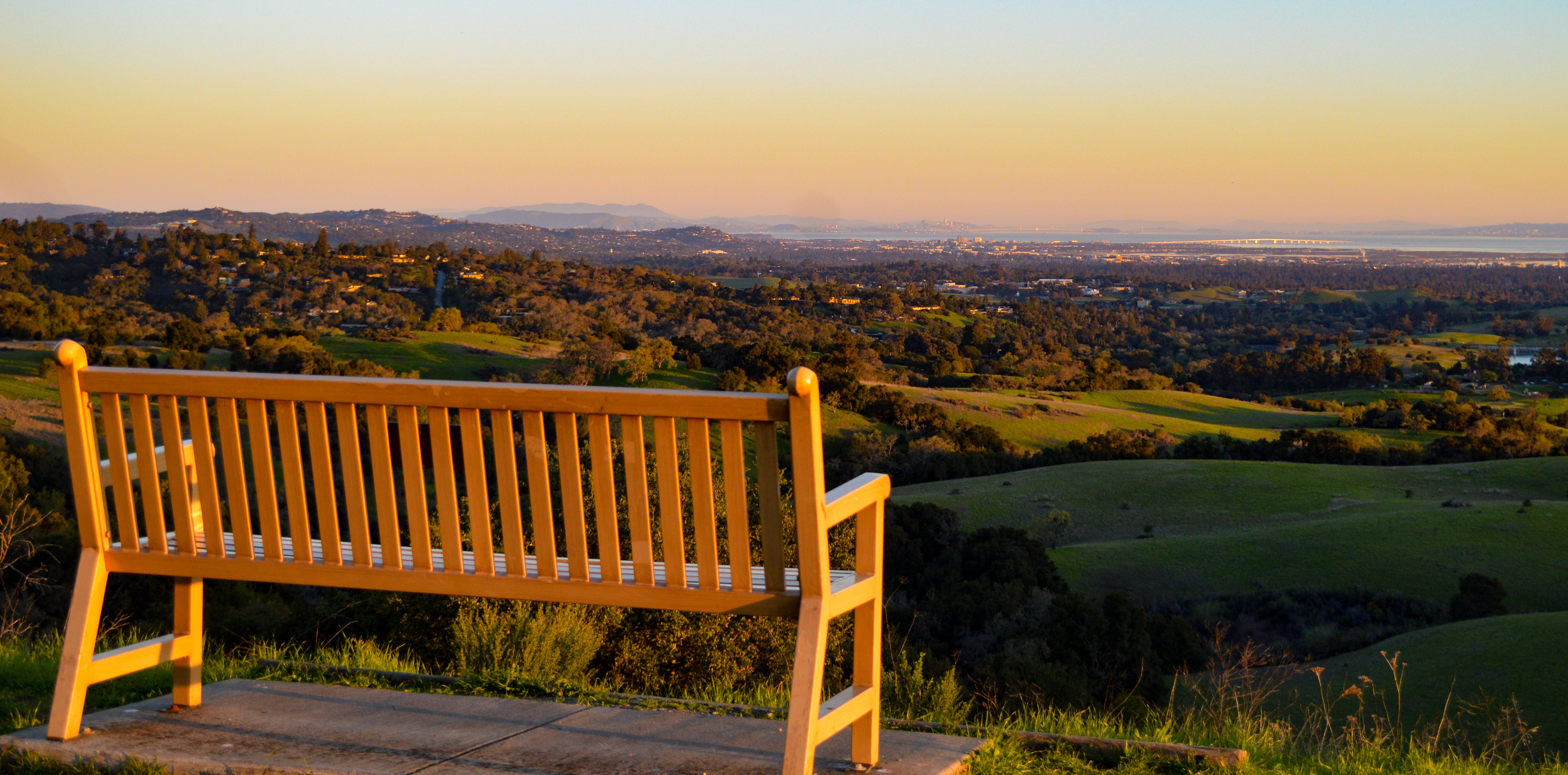
Few places near campus rival the Stanford Dish at sunset. As the sun lowers over the western hills, the sky transforms into layers of orange, pink, and soft violet. The golden grasses glow warmly, creating a scene that feels almost cinematic.
Students often gather near the summit to watch the changing light. Some sit quietly; others capture photographs to commemorate their time at Stanford. The experience feels communal yet deeply personal.
The elevation offers unobstructed views across the valley, making it one of the most photographed natural settings associated with the university. On especially clear evenings, the horizon appears endless.
Sunsets at the Dish mark transitions—end of the day, end of a quarter, sometimes even the end of a chapter in life. It is a place where memories settle gently into the landscape.
In the quiet fading light, the Stanford Dish reveals its most poetic dimension.
5) Wellness and Community


The Stanford Dish is more than a landmark—it is a gathering place. Every day, individuals and groups walk the trail, forming an informal yet consistent community.
Morning joggers greet each other with nods. Friends hike side by side. Alumni returning to campus revisit the path as a ritual. The shared physical space fosters subtle connections among strangers.
Physical wellness is a significant benefit of the trail. The steady climbs encourage cardiovascular exercise, while the open air offers mental clarity. In an environment where academic and professional pressures run high, the Dish provides balance.
The open preserve also emphasizes environmental stewardship. By maintaining protected land, Stanford demonstrates a commitment to preserving natural beauty alongside academic development.
At the Dish, wellness becomes collective—a shared commitment to health, nature, and community.
6) A Symbol of Stanford Identity


Certain landmarks define institutions. For Stanford, the Dish holds that distinction. Much like the Main Quad or Hoover Tower, the hillside structure signals place and belonging.
Incoming students quickly learn about the trail. Orientation groups often include a hike to the summit. The experience becomes a rite of passage.
The Dish’s visibility from various points on campus reinforces its iconic status. It anchors the skyline and serves as a navigational reference.
Beyond geography, it symbolizes perspective. From the top, challenges feel smaller, ambitions broader.
In this way, the Stanford Dish becomes part of Stanford’s identity—rooted in history yet open to the horizon.
7) Nature as Classroom

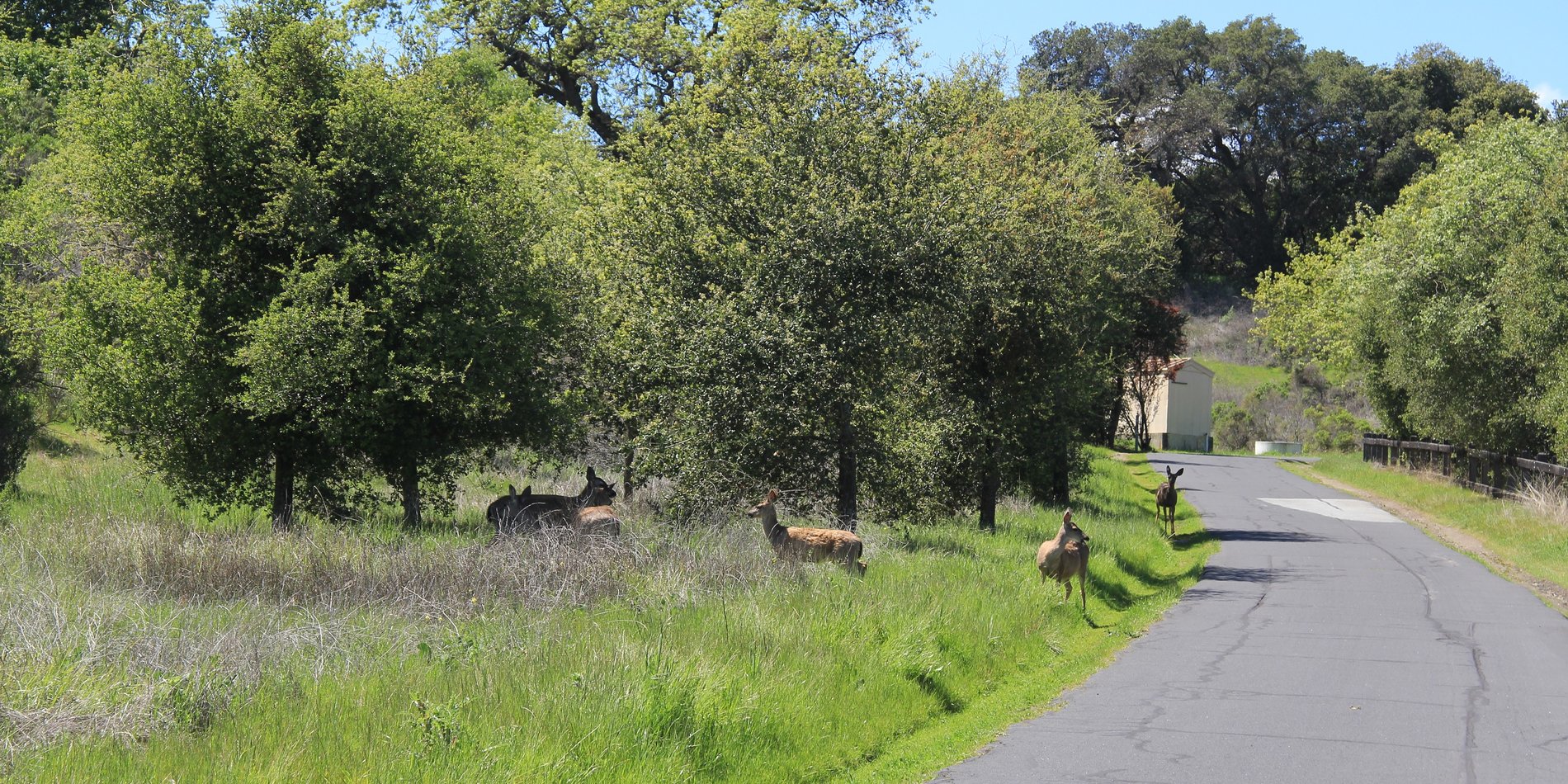

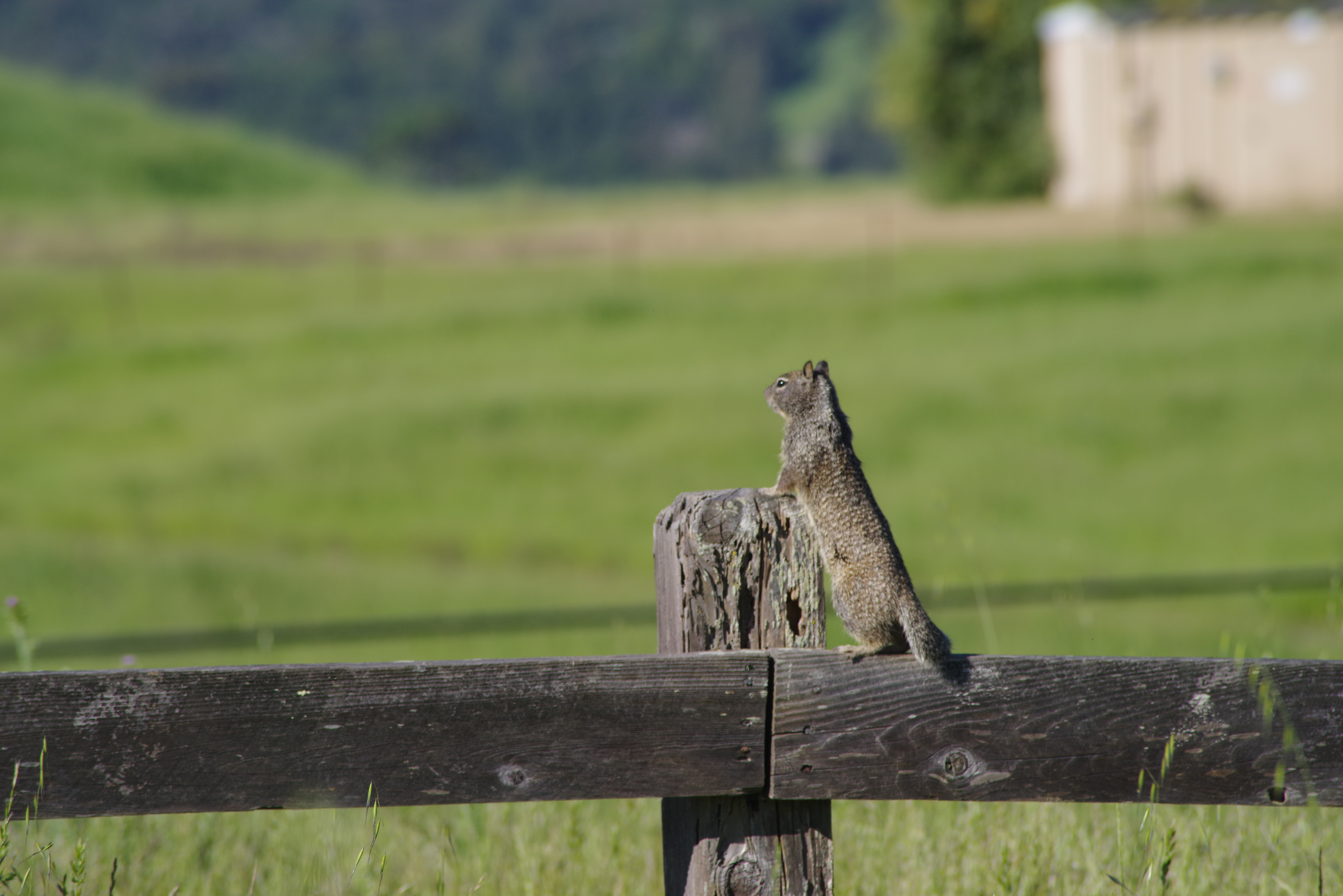
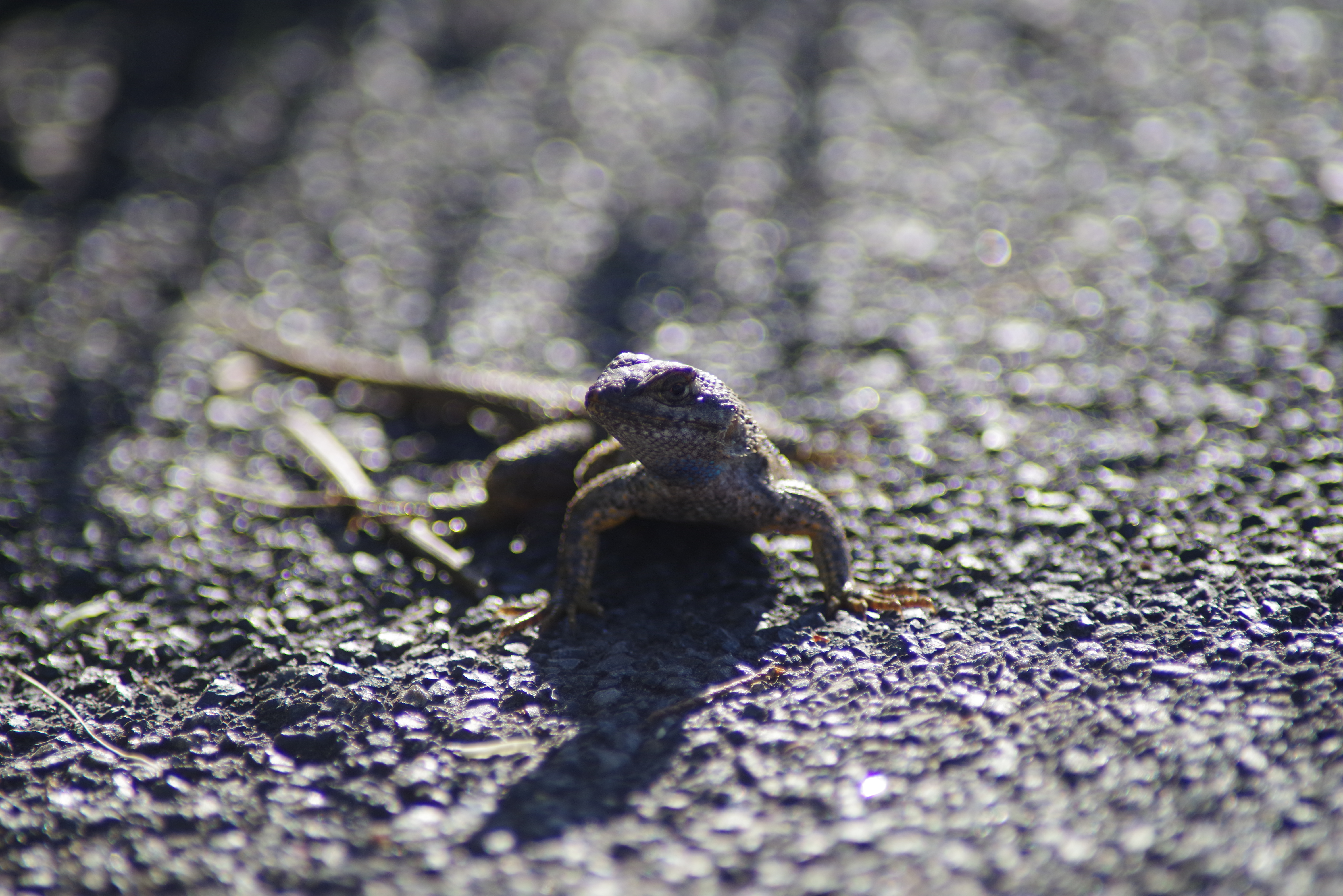
The hills surrounding the Stanford Dish function as an outdoor classroom. Native grasses, seasonal wildflowers, and local wildlife contribute to a dynamic ecosystem.
Students in environmental studies and biology programs occasionally use the preserve for field observations. The open terrain provides an accessible laboratory for studying California’s natural habitats.
Even casual visitors gain informal education. Informational signs along the trail highlight conservation efforts and ecological awareness.
The preservation of this space underscores Stanford’s broader environmental commitments. Protecting open land within Silicon Valley—a region known for rapid development—carries significant value.
At the Dish, education extends beyond lecture halls into living landscapes.
8) A Place for Reflection


The Stanford Dish invites introspection. Away from screens and schedules, visitors often find themselves thinking more clearly.
The steady rhythm of walking creates space for reflection. Many students recall making important decisions—about careers, relationships, or research directions—while hiking the trail.
Cloudy days lend a softer tone to the hills, while clear mornings offer crisp visibility. Each atmosphere shapes the emotional experience differently.
In an era defined by constant connectivity, the Dish offers rare simplicity.
It is a reminder that sometimes the most meaningful progress happens during quiet walks.
9) A Year-Round Destination


Unlike many destinations that peak in one season, the Stanford Dish evolves throughout the year.
Spring brings green hills and fresh blossoms. Summer introduces golden tones under bright skies. Autumn offers cooler air, while winter rains occasionally restore brief bursts of greenery.
The moderate California climate ensures accessibility year-round. Early mornings and late afternoons remain especially popular to avoid midday heat.
Each season reshapes the visual texture of the hills, encouraging repeat visits.
The Dish never feels static—it renews itself with time.
10) Looking Forward

As Stanford continues to grow, the preservation of the Dish Open Space remains essential. Urban expansion and technological advancement define the surrounding region, yet the hills endure as protected land.
Future generations of students will walk the same trails, climb the same inclines, and pause at the same viewpoints. The continuity of this experience reinforces institutional heritage.
Maintaining accessibility while protecting ecological integrity requires careful stewardship. The balance between use and preservation will shape the Dish’s future.
Ultimately, the Stanford Dish represents more than geography. It symbolizes openness—of land, of ideas, of possibility.
In that openness lies its enduring value.